
Zucchini
Cucurbita pepo
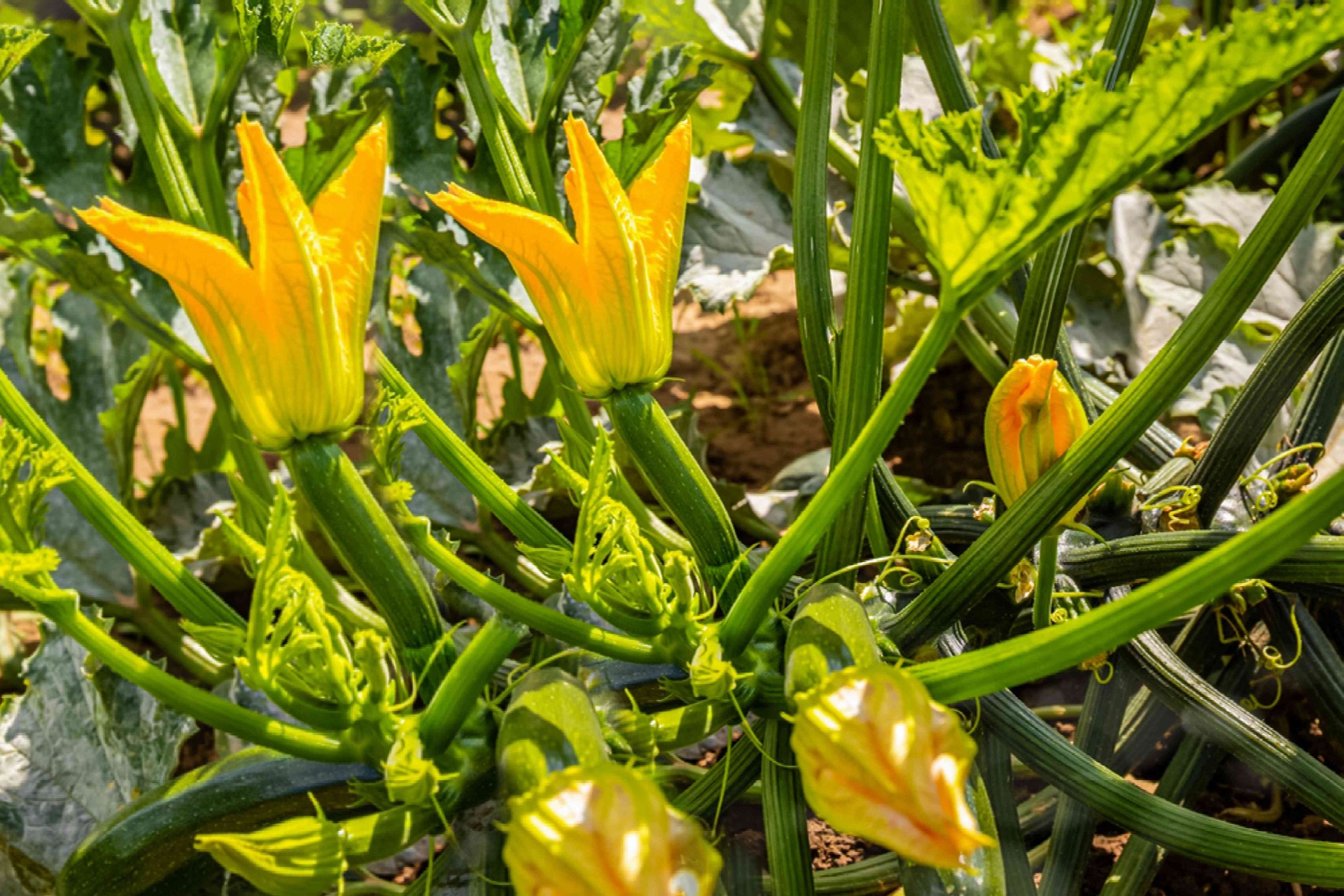
Zucchini is one of the fastest and most productive warm-season vegetables for coastal subtropical gardens. Give it fertile soil, steady moisture and enough space, then harvest frequently to keep the plant producing.
Overview
At a Glance
Peak Planting Window
September to March
Seasonal Role
Warm-season productivity crop
Difficulty
Easy
Planting Method
Direct sow or transplant
First Harvest
6–10 weeks
Sun
Full sun
Water
High
Heat Tolerance
High
Humidity Tolerance
Moderate (good airflow recommended)
Family
Cucurbitaceae
Category
Vegetable
Planting Calendar
Monthly Planting Guide
Month-by-month suitability for coastal subtropical Australia.
Rationale
Why This Planting Window
Zucchini grows rapidly in warm soil and performs best through spring and summer. Planting during the warmer months supports fast establishment, steady flowering and reliable fruit production before cooler conditions slow growth.
Reference
Growing Information
Lifecycle
Annual
Ideal Soil Temperature
18–30°C
Germination
5–10 days
Transplant Ready
3–4 weeks
Soil
Rich, fertile, well-drained soil enriched with compost
Soil pH
6.0–7.0
Plant Spacing
80–100 cm
Row Spacing
100–120 cm
Frost Tolerance
Low
In the garden
Plant Care
Feeding
Prepare the soil with compost and aged manure before planting. Apply a balanced feed during early growth and continue light feeding while the plant is flowering and producing fruit.
Watering Guidance
Keep the soil consistently moist and water deeply at the base of the plant. Avoid wetting the leaves unnecessarily, particularly during humid weather, to reduce disease pressure.
Companion Plants
Avoid Nearby
- Avoid crowding with other large cucurbit crops where airflow and space are limited.
Watch out for
Problems & Prevention
Common Pests
Pumpkin beetle, aphids, fruit fly, caterpillars and mites.
Common Diseases
Powdery mildew, downy mildew, bacterial wilt and blossom-end rot.
Common Mistakes
Overcrowding plants, inconsistent watering, poor pollination, allowing fruit to become oversized and leaving diseased foliage in place.
Picking
Harvest
First Harvest
6–10 weeks
Harvest Window
Harvest every few days once plants begin producing
Harvest Indicators
Harvest when fruit is young, glossy and firm, usually around 15–20 cm long depending on the variety. Pick regularly to encourage continued production.
Standard
SGGS Details
Subtropical Gardener Growing Standard — profile metadata.
- SGGS Code
- VEG009
- Version
- 1
- Confidence
- High
- Seasonal Role
- Warm-season productivity crop
- Crop Champion Month
- October
Explore