Sage
Salvia officinalis
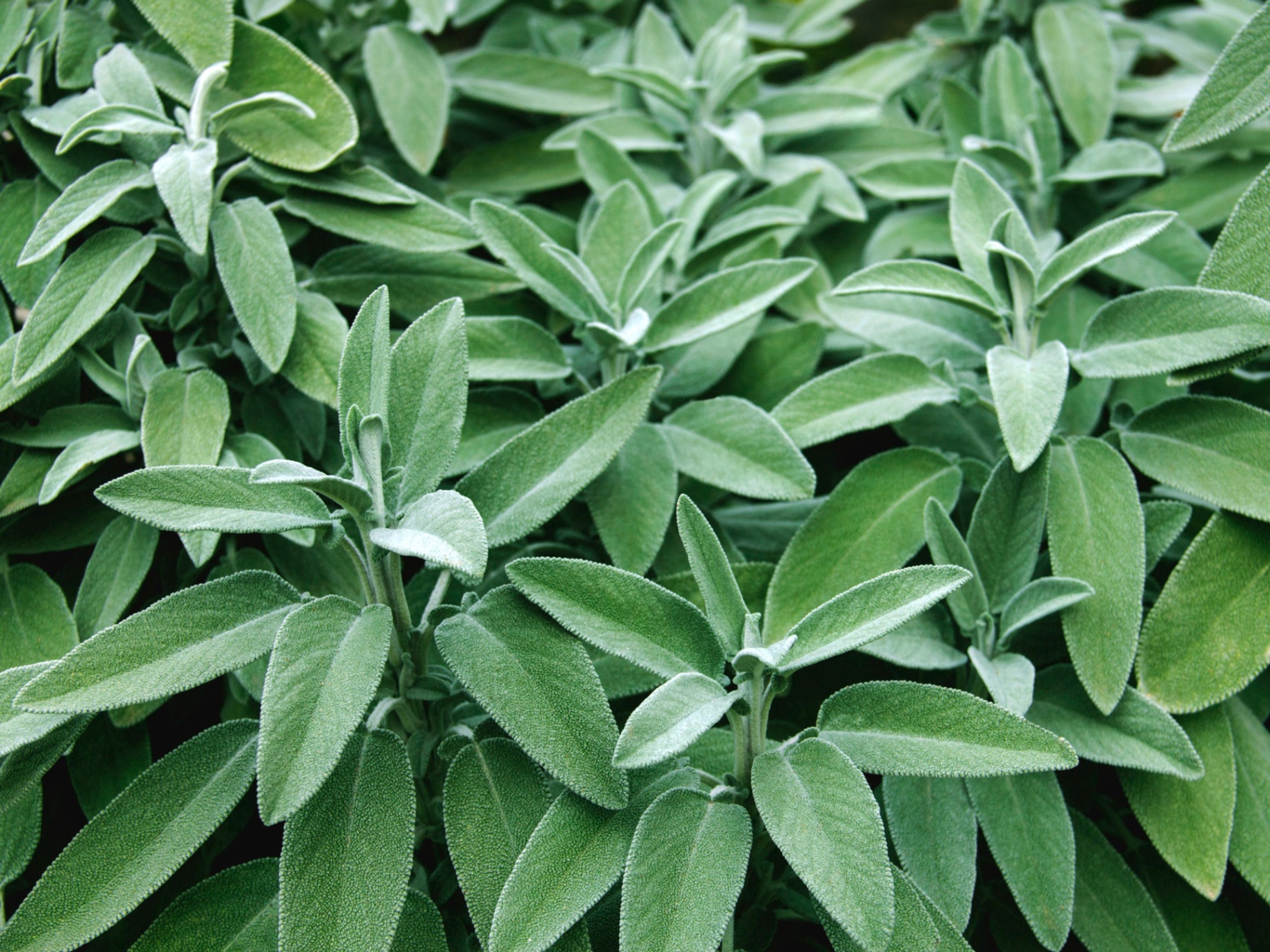
Sage is a long-lived culinary perennial grown for its soft, strongly aromatic foliage. It dislikes wet feet, so in subtropical gardens plant it in free-draining fertile soil in full sun and prune lightly through the season to keep growth open and productive.
Overview
At a Glance
Peak Planting Window
April to September
Seasonal Role
Mediterranean perennial herb
Difficulty
Easy
Planting Method
Seed, cutting or transplant
First Harvest
3–4 months
Sun
Full sun
Water
Low to Moderate
Heat Tolerance
High
Humidity Tolerance
Moderate
Family
Lamiaceae
Category
Herb
Planting Calendar
Monthly Planting Guide
Month-by-month suitability for coastal subtropical Australia.
Rationale
Why This Planting Window
Sage establishes best during cooler weather, allowing roots to strengthen before warm humid conditions. Once mature it tolerates dry periods well but requires excellent drainage.
Reference
Growing Information
Lifecycle
Perennial
Ideal Soil Temperature
15–24°C
Germination
10–21 days
Transplant Ready
6–8 weeks
Soil
Free-draining fertile soil
Soil pH
6.0–7.5
Plant Spacing
40–60 cm
Row Spacing
60–80 cm
Frost Tolerance
Moderate
In the garden
Plant Care
Feeding
Apply compost before planting and feed sparingly.
Watering Guidance
Allow soil to dry slightly between waterings once plants establish.
Companion Plants
Avoid Nearby
- Cucumbers
Watch out for
Problems & Prevention
Common Pests
Aphids, whitefly and spider mites.
Common Diseases
Root rot, powdery mildew and fungal leaf spot.
Common Mistakes
Overwatering, poor drainage, excessive fertiliser and failing to prune older plants.
Picking
Harvest
First Harvest
3–4 months
Harvest Window
Harvest leaves as required
Harvest Indicators
Harvest mature leaves regularly before flowering for best flavour.
Standard
SGGS Details
Subtropical Gardener Growing Standard — profile metadata.
- SGGS Code
- HER011
- Version
- 1
- Confidence
- High
- Seasonal Role
- Mediterranean perennial herb
- Crop Champion Month
- May
Explore