
Sweet Potato
Ipomoea batatas
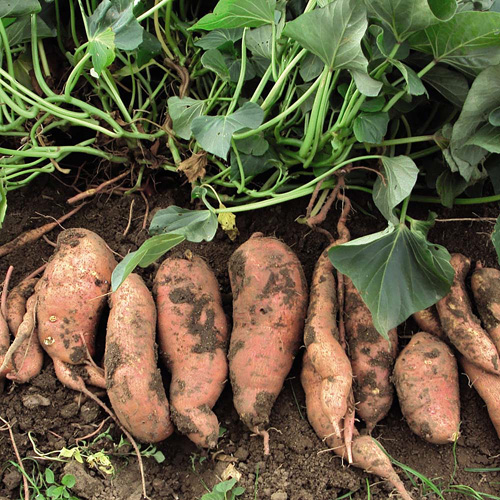
Sweet potato is a vigorous warm-season crop that thrives in the heat and humidity of coastal subtropical gardens. It produces edible leaves, spreading groundcover and nutritious storage roots when given loose soil and a long growing season.
Overview
At a Glance
Peak Planting Window
September to March
Seasonal Role
Warm-season storage root crop
Difficulty
Easy
Planting Method
Slips or vine cuttings
First Harvest
16–24 weeks
Sun
Full sun
Water
Moderate
Heat Tolerance
Very High
Humidity Tolerance
High
Family
Convolvulaceae
Category
Vegetable
Planting Calendar
Monthly Planting Guide
Month-by-month suitability for coastal subtropical Australia.
Rationale
Why This Planting Window
Sweet potato needs warm soil, strong sunlight and a long frost-free growing period to establish vigorous vines and form well-sized storage roots. Spring and summer planting provides the sustained warmth required for reliable growth and harvests.
Reference
Growing Information
Lifecycle
Tender perennial commonly grown as an annual
Ideal Soil Temperature
20–30°C
Germination
Not usually grown from seed
Transplant Ready
Plant slips once they have developed roots and several healthy leaves
Soil
Loose, fertile, well-drained soil enriched with mature compost
Soil pH
5.5–6.8
Plant Spacing
30–45 cm
Row Spacing
90–120 cm
Frost Tolerance
Low
In the garden
Plant Care
Feeding
Prepare the soil with mature compost before planting. Avoid excessive nitrogen, which can produce vigorous vines with limited root development. A light balanced feed may be used during establishment if growth is weak.
Watering Guidance
Keep the soil evenly moist while slips establish. Once growing strongly, water deeply when required but avoid prolonged waterlogging. Reduce watering as harvest approaches to support firm, well-developed roots.
Companion Plants
Avoid Nearby
- Avoid crowding with other sprawling crops where vines will compete heavily for space and sunlight.
Watch out for
Problems & Prevention
Common Pests
Sweet potato weevil, wireworms, cutworms, caterpillars and root-knot nematodes.
Common Diseases
Root rot, stem rot, fungal leaf spots and storage rots.
Common Mistakes
Planting into cool soil, using nitrogen-rich fertiliser, growing in heavy or waterlogged soil, allowing vines to overcrowd nearby crops and damaging roots during harvest.
Picking
Harvest
First Harvest
16–24 weeks
Harvest Window
Harvest once roots reach a useful size and before prolonged cool or wet weather
Harvest Indicators
Harvest when the roots have reached a useful size and the foliage begins to slow or yellow. Carefully loosen the soil and lift the roots without cutting or bruising them.
Standard
SGGS Details
Subtropical Gardener Growing Standard — profile metadata.
- SGGS Code
- VEG011
- Version
- 1
- Confidence
- High
- Seasonal Role
- Warm-season storage root crop
- Crop Champion Month
- October
Explore