
Capsicum
Capsicum annuum
Capsicum is a productive warm-season crop that performs well in coastal subtropical gardens when given warmth, fertile soil and steady moisture. Plants may produce over a long period when protected from cold and extreme stress.
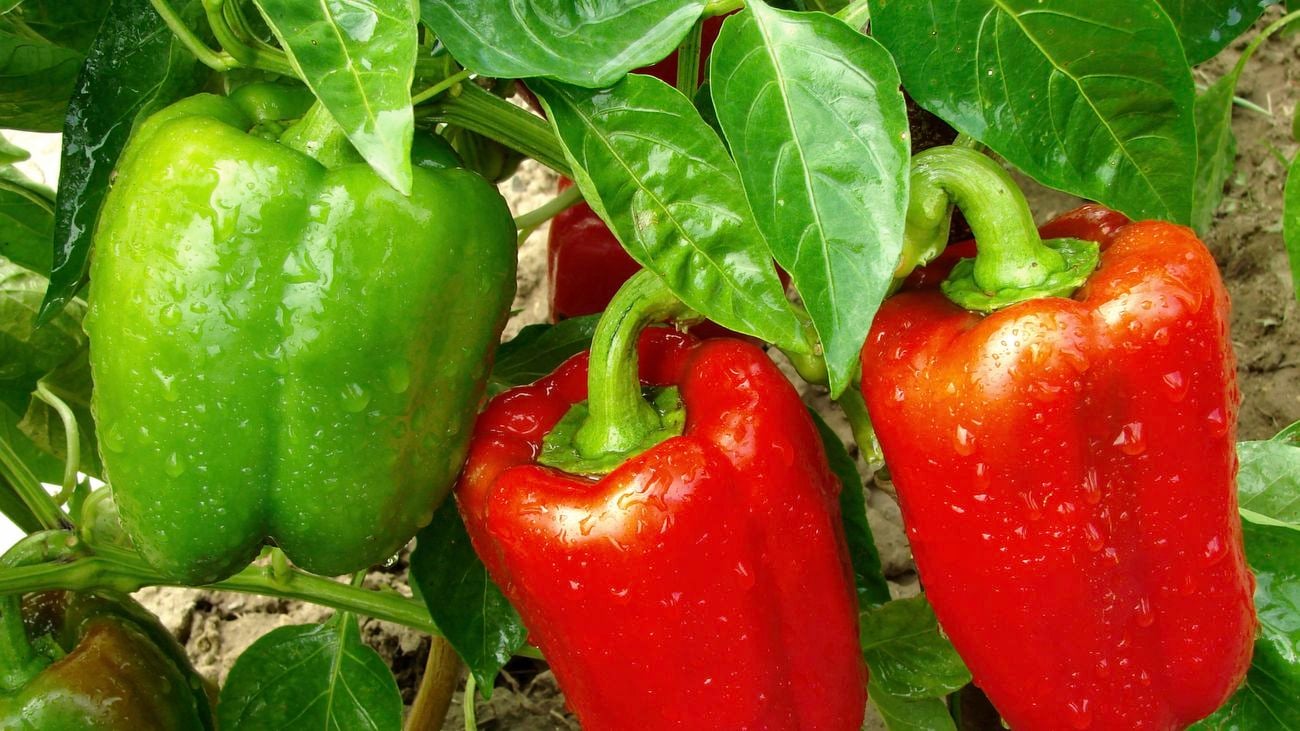
Overview
At a Glance
Peak Planting Window
September to March
Seasonal Role
Warm-season fruiting crop
Difficulty
Moderate
Planting Method
Transplant
First Harvest
12–20 weeks
Sun
Full sun
Water
Moderate
Heat Tolerance
High
Humidity Tolerance
Moderate (good airflow recommended)
Family
Solanaceae
Category
Vegetable
Planting Calendar
Monthly Planting Guide
Month-by-month suitability for coastal subtropical Australia.
Rationale
Why This Planting Window
Capsicums establish and fruit most reliably in warm soil and long frost-free conditions. Spring and early-summer planting gives plants time to build a strong framework before heavy fruiting, while cool conditions slow growth, flowering and fruit development.
Reference
Growing Information
Lifecycle
Short-lived perennial commonly grown as an annual
Ideal Soil Temperature
20–30°C
Germination
7–21 days
Transplant Ready
6–8 weeks
Soil
Rich, fertile, well-drained soil enriched with mature compost
Soil pH
6.0–7.0
Plant Spacing
40–60 cm
Row Spacing
60–90 cm
Frost Tolerance
Low
In the garden
Plant Care
Feeding
Prepare the soil with mature compost before planting. Apply a balanced feed during establishment, then use regular light feeding once flowering and fruiting begin. Avoid excessive nitrogen, which can encourage leafy growth at the expense of fruit.
Watering Guidance
Keep the soil evenly moist, especially during flowering and fruit development. Water deeply at the base and avoid repeated drying and soaking, which can contribute to blossom-end rot and fruit drop.
Avoid Nearby
- Avoid overcrowding with other dense solanaceous crops where airflow and sunlight are limited
Watch out for
Problems & Prevention
Common Pests
Aphids, mites, thrips, fruit fly, caterpillars and whitefly.
Common Diseases
Bacterial spot, anthracnose, mosaic viruses, root rot and powdery mildew.
Common Mistakes
Planting into cool soil, transplanting weak seedlings, inconsistent watering, excessive nitrogen feeding, poor airflow and harvesting before fruit reaches useful size.
Picking
Harvest
First Harvest
12–20 weeks
Harvest Window
Harvest progressively as fruit reaches the preferred size and colour
Harvest Indicators
Harvest when fruit is firm, glossy and has reached the expected size. Green fruit can be picked once mature, or left to colour fully for a sweeter flavour.
Standard
SGGS Details
Subtropical Gardener Growing Standard — profile metadata.
- SGGS Code
- VEG005
- Version
- 1
- Confidence
- High
- Seasonal Role
- Warm-season fruiting crop
- Crop Champion Month
- October
Explore