
Ginger
Zingiber officinale
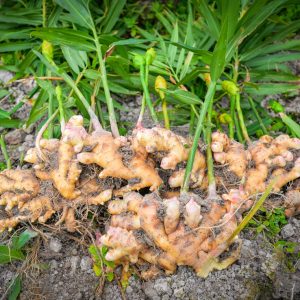
Ginger is one of the signature crops of the subtropics, producing flavourful rhizomes beneath lush foliage during the warm growing season. It thrives in rich soil, humid conditions and steady moisture with protection from harsh sun.
Overview
At a Glance
Peak Planting Window
September to March
Seasonal Role
Warm-season rhizome crop
Difficulty
Easy
Planting Method
Rhizome pieces with healthy buds
First Harvest
8–10 months
Sun
Part shade to filtered sun
Water
High
Heat Tolerance
Very High
Humidity Tolerance
Very High
Family
Zingiberaceae
Category
Herb
Planting Calendar
Monthly Planting Guide
Month-by-month suitability for coastal subtropical Australia.
Rationale
Why This Planting Window
Ginger requires warm soil, consistent moisture and a long frost-free growing season. Planting from spring into early autumn provides sufficient time for strong foliage and rhizome development before cooler weather triggers dormancy.
Reference
Growing Information
Lifecycle
Herbaceous perennial commonly grown as an annual crop
Ideal Soil Temperature
22–30°C
Germination
2–6 weeks from planted rhizome pieces
Transplant Ready
Not applicable
Soil
Rich, loose, moisture-retentive soil with excellent drainage
Soil pH
5.5–6.5
Plant Spacing
30–40 cm
Row Spacing
60–80 cm
Frost Tolerance
Very Low
In the garden
Plant Care
Feeding
Incorporate mature compost before planting and apply a balanced organic feed during active growth to support vigorous foliage and rhizome formation.
Watering Guidance
Keep the soil evenly moist throughout active growth without allowing it to become waterlogged. Reduce watering once foliage begins naturally yellowing and dying back.
Companion Plants
Avoid Nearby
- None significant
Watch out for
Problems & Prevention
Common Pests
Shoot borer, root-knot nematodes, grasshoppers, snails and slugs.
Common Diseases
Soft rot, bacterial wilt, rhizome rot and leaf spot.
Common Mistakes
Planting into cool soil, using damaged rhizomes, growing in compacted or waterlogged soil, allowing plants to dry out and harvesting before rhizomes mature.
Picking
Harvest
First Harvest
8–10 months
Harvest Window
Harvest rhizomes after 8–10 months
Harvest Indicators
Harvest once foliage naturally yellows and begins dying back. Carefully loosen the soil and lift rhizomes without cutting or bruising them.
Standard
SGGS Details
Subtropical Gardener Growing Standard — profile metadata.
- SGGS Code
- HER005
- Version
- 1
- Confidence
- High
- Seasonal Role
- Warm-season rhizome crop
- Crop Champion Month
- October
Explore